
How Often to Divide Perennials to Keep Them Vigorous
Have you ever noticed your once-thriving perennials looking a bit tired or crowded? It can be disheartening to see your beautiful garden not living up to its potential. One of the best-kept secrets to keeping perennials vigorous and blooming beautifully is timely division. Understanding when and how to divide your plants can breathe new life into your garden. Let’s dive into the world of perennial division and discover how to keep your garden flourishing!
Understanding Perennial Division
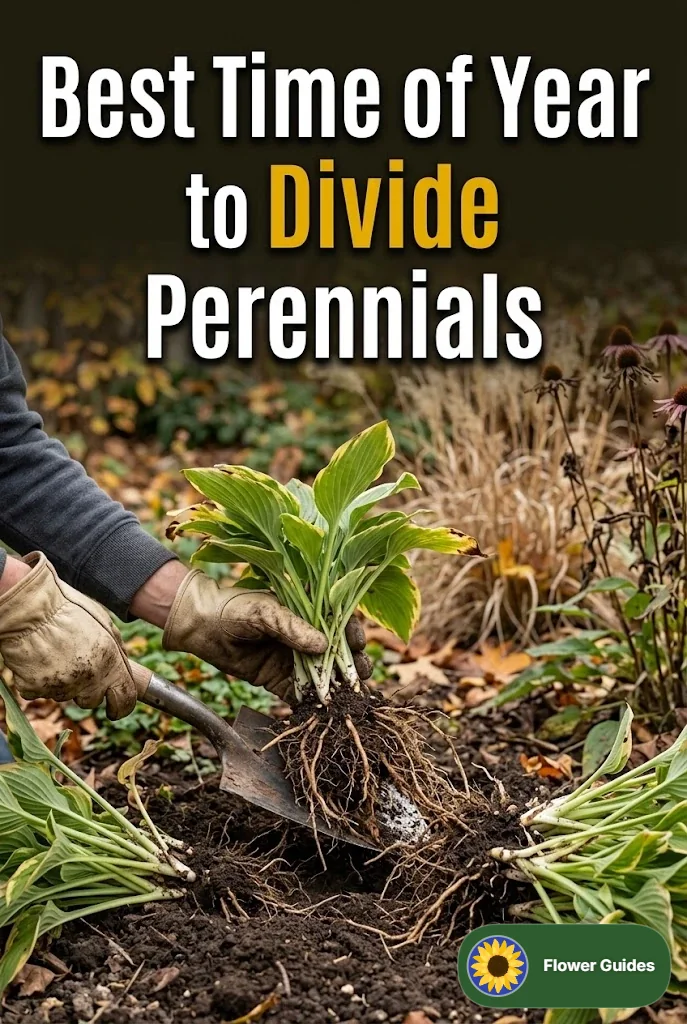
Dividing perennials is a gardening technique that involves splitting a single plant into multiple sections. This process not only helps control plant size but also rejuvenates the plant, encourages new growth, and can even promote blooming. Most perennials benefit from being divided every few years, allowing them to thrive and avoid overcrowding.
Why Divide Perennials?
Here are some compelling reasons to divide your perennials:
- Promotes Health: Dividing helps refresh the plant’s root system, allowing for better nutrient absorption.
- Encourages Blooms: Many perennials produce more blooms when divided regularly.
- Prevents Crowding: Over time, perennials can become too crowded, leading to competition for resources.
- Propagation: Dividing allows you to create new plants to fill your garden or share with friends.
When to Divide Perennials
The timing of division plays a crucial role in the success of your perennials. Generally, the best times to divide are in the spring or fall, depending on the specific plant type.
Spring Division
Spring is an excellent time for division, especially for early-blooming perennials. Dividing in spring gives the plants a full growing season to establish themselves before winter. Here are some tips:
- Wait until the soil is workable and the plants have started to show growth.
- Look for signs of congestion, such as decreased flowering or stunted growth.
Fall Division
Fall division is ideal for late-blooming perennials. The cooler temperatures and increased rainfall can help reduce transplant shock. When dividing in the fall:
- Divide about 4-6 weeks before the first expected frost.
- Ensure the plants are well-watered to help them establish roots before winter.
How Often to Divide Perennials
While the specific timing can depend on the type of perennial, a general rule of thumb is to divide every 3 to 5 years. Here are some guidelines based on common types of perennials:
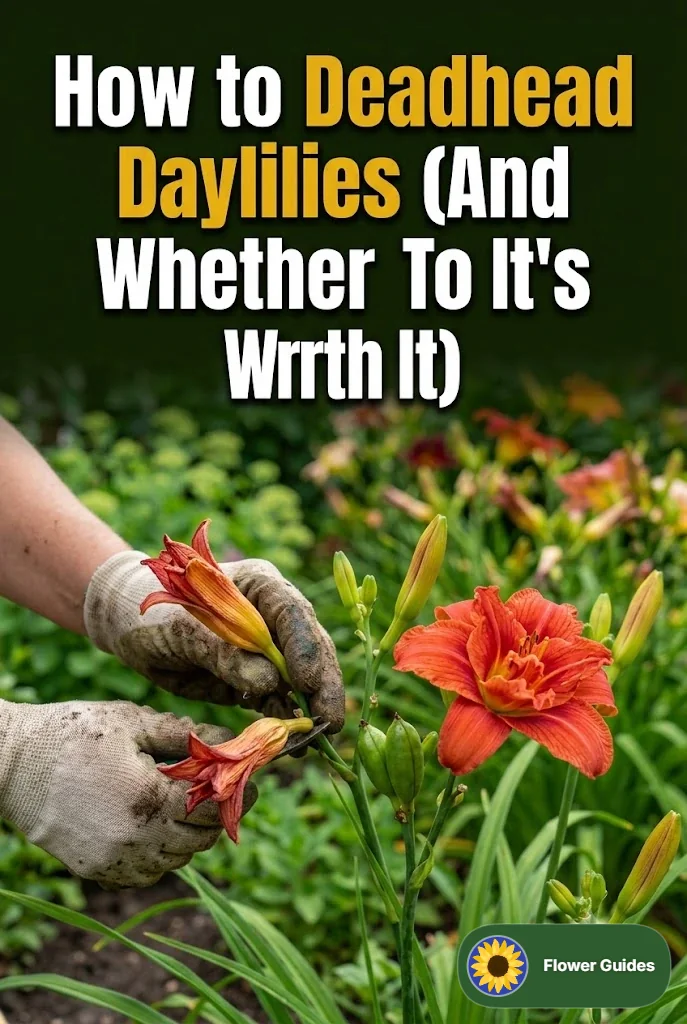
- Daylilies: Every 3-5 years. These can become very dense and may stop blooming if not divided.
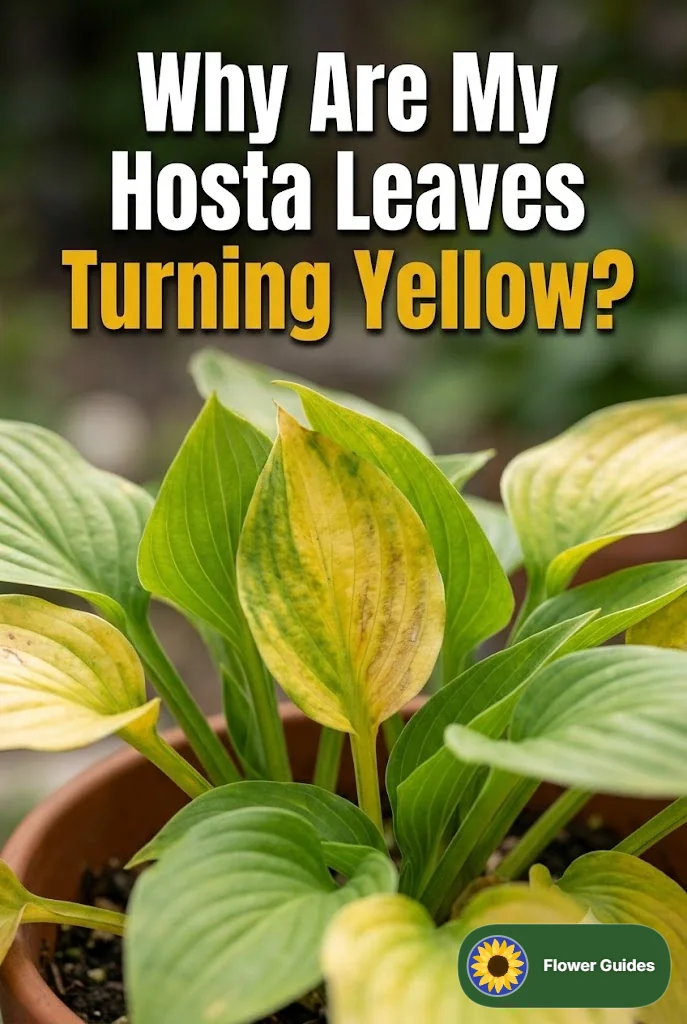
- Hostas: Every 4-6 years. Hostas can also become crowded and lose vigor over time.
- Peonies: Every 6-8 years. They prefer to be undisturbed but can benefit from division if they stop blooming.
- Astilbe: Every 3-4 years. Regular division encourages fuller plants and more blooms.
Steps to Divide Perennials
Ready to give your perennials a new lease on life? Follow these simple steps for successful division:
- Gather Your Tools: You’ll need a spade, garden fork, pruners, and a hose for watering.
- Prepare the Area: Water the plant a day before division to help reduce stress on the roots.
- Dig Up the Plant: Carefully dig around the plant, lifting it out of the ground with as much root as possible.
- Separate the Roots: Gently pull apart the clumps into smaller sections. Use a sharp spade or knife if necessary.
- Trim the Roots: Prune any damaged roots and cut the foliage back to reduce stress.
- Replant: Plant the divisions immediately in well-prepared soil, ensuring the crown is at ground level.
- Water Thoroughly: Water the newly planted divisions to help them settle in.
Common Mistakes to Avoid
Even seasoned gardeners can make errors when dividing perennials. Here are some common pitfalls to watch out for:
- Dividing at the Wrong Time: Dividing too late in the fall or too early in the spring can stress the plants.
- Ignoring Soil Quality: Ensure the new planting site has good drainage and nutrient-rich soil.
- Overcrowding New Divisions: Give each new plant enough space to grow; overcrowding can lead to problems later.
Expert Tips for Successful Division
Here are some insider tips to help you succeed:
- Label Your Plants: If dividing several types, label each division to keep track of care requirements.
- Choose the Right Location: Consider sun and shade preferences for each perennial when replanting.
- Monitor Newly Planted Divisions: Keep a close eye on water needs and growth in the weeks following division.
Common Questions About Dividing Perennials
How do I know if my perennial needs to be divided?
Signs include decreased blooms, plants becoming crowded, or roots pushing out of the soil.
Can I divide perennials in the summer?
It’s generally not recommended, as summer heat can stress the plants. Spring and fall are ideal.
What should I do with the divisions I don’t want?
You can share them with friends, donate to community gardens, or plant them in other areas of your yard.
Conclusion
Understanding how often to divide perennials and following the proper techniques can significantly enhance the health and beauty of your garden. With a little effort, you can keep your perennials vigorous and blooming year after year. So grab your tools, and let’s get digging – your garden will thank you!