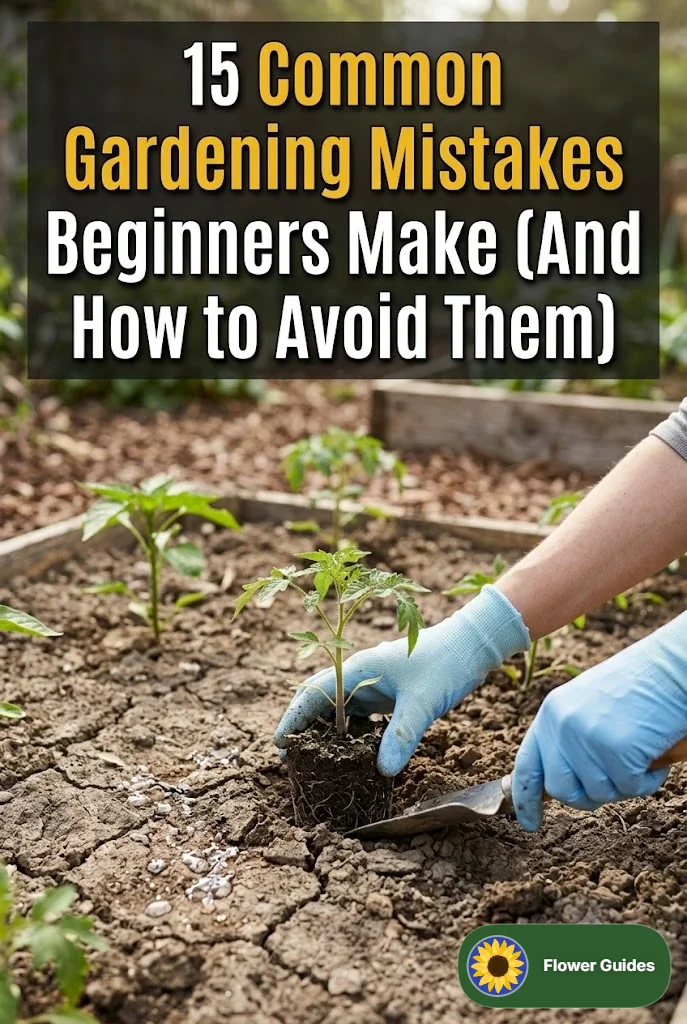
15 Common Gardening Mistakes Beginners Make (And How to Avoid Them)
Starting a garden can be an exciting yet daunting experience for beginners. With visions of lush greenery and blooming flowers dancing in your head, it’s easy to overlook some key principles of gardening. Many new gardeners face common pitfalls that can lead to frustration and disappointment. Fortunately, understanding these mistakes and how to avoid them can set you on the path to a flourishing garden. Let’s dive into the 15 common gardening mistakes beginners make and how you can steer clear of them!
Quick Answer
Beginners often make mistakes such as overwatering, choosing the wrong plants, and neglecting soil health. To avoid these pitfalls, focus on proper plant selection, maintain a watering schedule, and enrich your soil with organic matter.
1. Overwatering Plants
One of the most common mistakes is overwatering. Many beginners think that more water equals healthier plants, but this can lead to root rot and other issues.
How to Avoid It
- Check soil moisture before watering. Stick your finger about an inch into the soil; if it’s dry, it’s time to water.
- Water in the early morning or late afternoon to minimize evaporation.
2. Planting at the Wrong Time
Timing is crucial in gardening. Planting too early or too late can hinder plant growth and yield.
How to Avoid It
- Research your local planting calendar to determine the best planting times for your region.
- Consider using a frost date chart to understand when to start seeds indoors or outdoors.
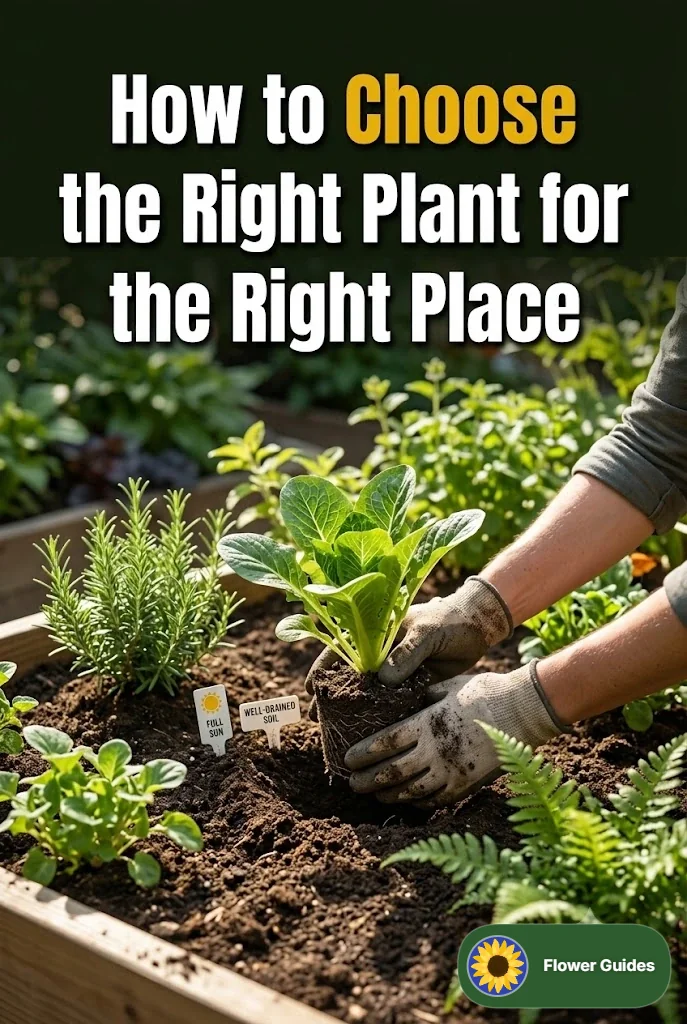
3. Choosing the Wrong Plants
New gardeners often pick plants that aren’t suited for their climate, soil type, or available sunlight.
How to Avoid It
- Choose plants that thrive in your specific growing zone.
- Consider sun exposure and select plants that match the light conditions in your garden.
4. Neglecting Soil Health
Healthy soil is the foundation of a successful garden. Beginners sometimes overlook soil quality, which can affect plant growth.
How to Avoid It
- Test your soil for pH and nutrient levels.
- Add organic matter like compost to improve soil structure and fertility.
5. Ignoring Weeds
Weeds can quickly overtake a garden, competing with your plants for nutrients and water.
How to Avoid It
- Regularly check for weeds and remove them by hand or with tools.
- Use mulch to suppress weed growth and retain soil moisture.
6. Not Using Fertilizer
Plants need nutrients to grow, and relying solely on soil may not provide what they require.
How to Avoid It
- Use a balanced fertilizer according to the needs of your plants.
- Consider organic options like compost or fish emulsion for a natural boost.
7. Planting Too Close Together
Beginners often crowd their plants, thinking it will create a fuller garden.
How to Avoid It
- Follow recommended spacing guidelines for each plant.
- Consider their mature size to avoid competition for resources.
8. Forgetting to Prune
Pruning is essential for encouraging healthy growth and preventing disease.
How to Avoid It
- Learn the proper pruning techniques for your plants.
- Remove dead or diseased branches regularly to promote air circulation.
9. Not Considering Drainage
Poor drainage can lead to waterlogged roots, which can be detrimental to plant health.
How to Avoid It
- Ensure your garden beds have proper drainage systems in place.
- Amend heavy clay soils with organic matter to improve drainage.
10. Overlooking Pest Control
Ignoring pests can lead to significant damage to your plants.
How to Avoid It
- Regularly inspect your plants for signs of pests.
- Use natural pest deterrents like neem oil or insecticidal soap when needed.
11. Relying on One Type of Plant
Planting a single type of plant can lead to pest problems and reduce biodiversity.
How to Avoid It
- Mix different types of plants to create a diverse ecosystem.
- Include native plants that attract beneficial insects.
12. Ignoring Seasonal Changes
Weather changes can drastically affect your garden’s success, and many beginners fail to adapt.
How to Avoid It
- Be aware of seasonal weather patterns and adjust your gardening practices accordingly.
- Use row covers or cloches to protect plants from unexpected frosts.
13. Not Keeping a Garden Journal
A garden journal can help track progress, successes, and failures, but many beginners skip this step.
How to Avoid It
- Document planting dates, growth patterns, and any issues that arise.
- Use it to plan for future seasons based on your experiences.
14. Neglecting to Mulch
Mulching helps retain moisture and suppress weeds, yet many newcomers overlook this valuable practice.
How to Avoid It
- Apply a layer of organic mulch around your plants to improve soil quality and reduce weed growth.
- Renew mulch annually for optimal benefits.
15. Expecting Immediate Results
Gardening requires patience, and many beginners grow frustrated with the slow pace of growth.
How to Avoid It
- Set realistic expectations for growth and bloom times.
- Enjoy the journey and celebrate small victories along the way.
Expert Tips
Here are some insider tips to elevate your gardening game:
- Consider companion planting to naturally deter pests and improve plant health.
- Use drip irrigation systems to conserve water and provide consistent moisture.
- Join local gardening clubs or online forums for community support and advice.
Common Questions
What are the best beginner-friendly plants?
Some great options include herbs like basil and mint, and easy-to-grow vegetables like radishes and lettuce.
How often should I water my garden?
Watering frequency depends on the plant type and weather conditions. Typically, 1 inch of water per week is a good benchmark.
When is the best time to plant flowers?
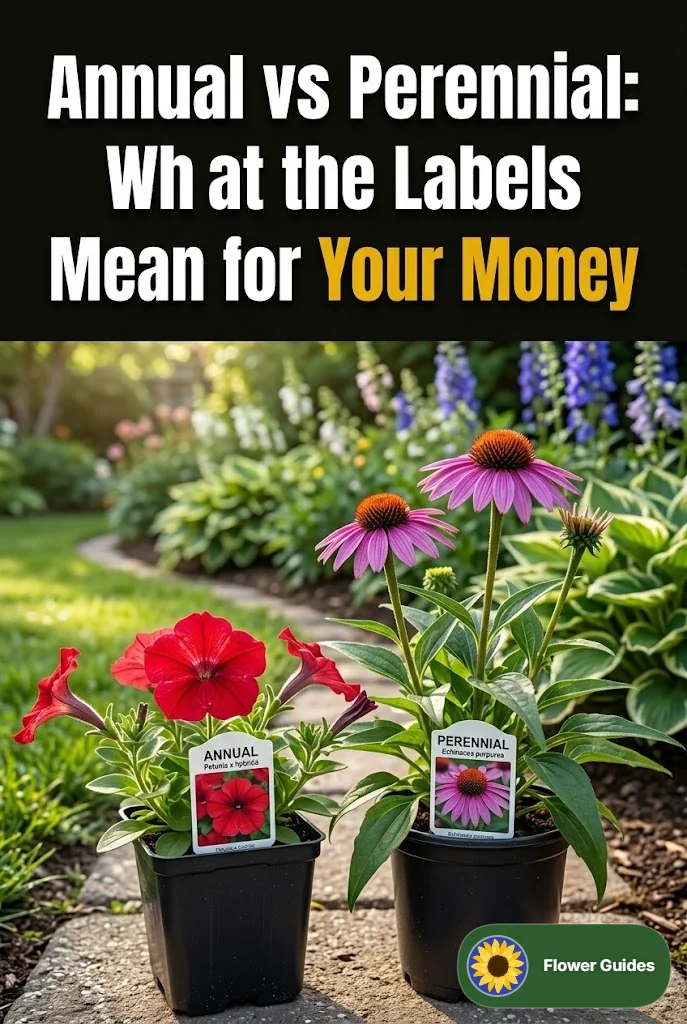
Spring is generally the best time for planting annual flowers, while perennials can be planted in spring or fall.
Conclusion
A flourishing garden is within your reach, even as a beginner. By being aware of these common gardening mistakes and taking proactive steps to avoid them, you can create a vibrant and healthy garden. Embrace the learning process, and let each season teach you something new. Happy gardening!