Full Sun vs Partial Sun: What Plant Tags Actually Mean
Understanding plant tags can feel overwhelming, especially when you’re trying to create the perfect garden. Terms like “full sun” and “partial sun” are frequently used but can be confusing for even seasoned gardeners. These designations aren’t just for show; they indicate the specific light needs of plants, which can greatly affect their growth, health, and overall aesthetic in your garden. So, let’s delve into what these terms really mean and how you can use them to your advantage.
Quick Answer
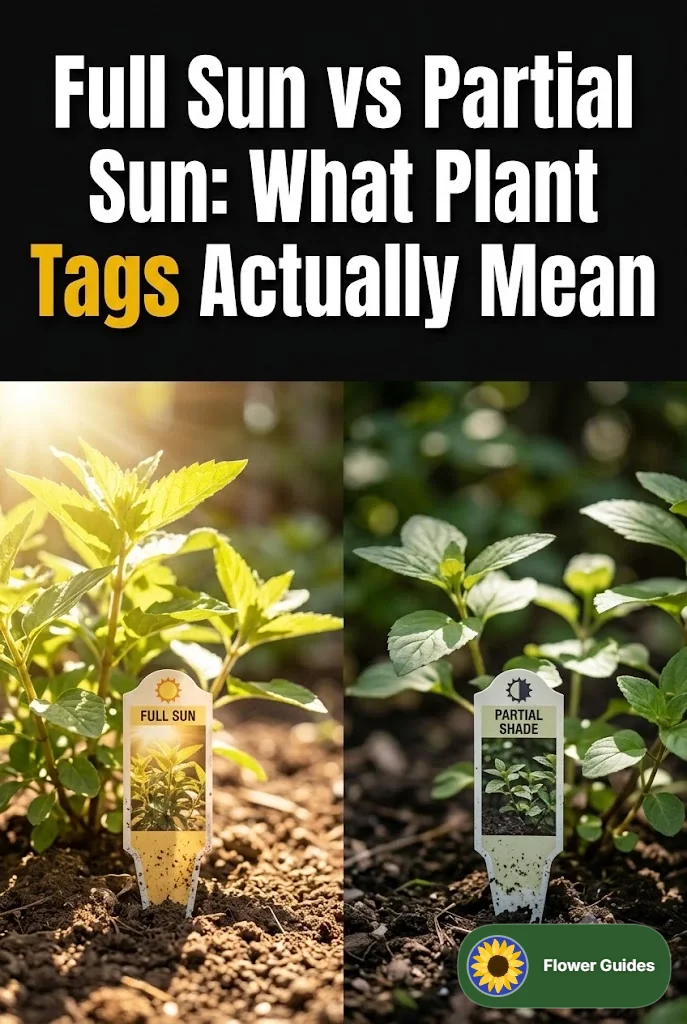
Full sun plants thrive with at least six hours of direct sunlight daily, while partial sun plants prefer three to six hours. Understanding these requirements helps you select the right plants for your garden’s lighting conditions, ensuring a flourishing landscape.
What Does Full Sun Mean?
When a plant tag indicates “full sun,” it means that the plant requires at least six hours of direct sunlight each day. This is crucial for the plant’s photosynthesis process, which fuels its growth. Here are a few key points to consider:
Characteristics of Full Sun Plants
- Sunlight Exposure: These plants thrive in bright light and can tolerate high temperatures.
- Common Varieties: Examples include sunflowers, tomatoes, and many herbs.
- Growth Patterns: Full sun plants often grow taller and produce more blooms or fruits due to optimal light exposure.
Choosing the Right Spot
To ensure your full sun plants flourish, choose a location that receives uninterrupted sunlight for most of the day. Areas near fences, tall buildings, or large trees may cast shadows and limit light exposure. A south-facing garden bed is often ideal.
Understanding Partial Sun
Partial sun plants, on the other hand, require three to six hours of sunlight each day. They can thrive in a mix of direct sunlight and shade, making them versatile for various garden settings.
Characteristics of Partial Sun Plants
- Sunlight Exposure: These plants can tolerate some shade, especially during the hottest part of the day.
- Common Varieties: Examples include impatiens, ferns, and certain types of vegetables like lettuce.
- Growth Patterns: Partial sun plants may have a more compact growth habit and can often handle fluctuations in light conditions.
Ideal Locations for Partial Sun Plants
These plants are perfect for areas that receive morning sun and afternoon shade. Consider planting them in spots that are near taller plants or structures that can provide some respite from the harsh midday sun.
Full Sun vs. Partial Sun: Key Differences
While both full sun and partial sun designations are crucial for planning your garden, there are distinct differences to be aware of:
- Light Requirements: Full sun plants need more light than partial sun plants, which can perform well in shadier areas.
- Watering Needs: Full sun plants may require more frequent watering due to increased evaporation and soil drying.
- Growth Rate: Generally, full sun plants grow faster and may produce more flowers or fruits compared to their partial sun counterparts.
Common Mistakes to Avoid
As you navigate planting, be mindful of these common mistakes that can hinder your garden’s success:
- Ignoring Plant Tags: Always read the plant tags carefully. Ignoring light requirements can lead to poor growth or plant death.
- Overcrowding Plants: Placing too many plants in a space can limit light for each plant, especially if they have varying light needs.
- Not Considering Seasonal Changes: Remember that the angle of the sun changes with the seasons, affecting light availability.
Expert Tips for Success
Here are some insider tips to maximize your gardening efforts:
- Know Your Zone: Understand your USDA hardiness zone to choose plants that will thrive in your climate.
- Use Reflective Surfaces: If you’re short on sunny spots, consider using reflective surfaces like white walls or fences to bounce light onto your plants.
- Rotate Plants: If you have pots, rotate them periodically to ensure all sides receive equal sunlight.
Pinterest-Style Ideas for Planting
Looking for some inspiration? Here are a few ideas to create stunning garden spaces:
- Sun-Loving Annuals: Create a vibrant border with sunflowers, zinnias, and marigolds.
- Vegetable Garden Layout: Plant tomatoes and peppers in sunny spots while mixing in partial sun lettuce and spinach for a diverse harvest.
- Layered Planting: Combine tall, full sun plants at the back of your borders with shorter, partial sun plants in front for a visually appealing depth.
Common Questions (FAQ)
1. Can I plant full sun plants in partial sun?
While some full sun plants may survive in partial sun, they often won’t thrive and may produce fewer flowers or fruits.
2. What if my garden has spots that get both full and partial sun?
Mix and match your plants based on their light requirements. Just make sure to place each plant in its ideal light condition.
3. How do I know if my plants are getting enough sunlight?
Monitor your plants for signs of stress, such as leggy growth or poor flowering. These can indicate inadequate light.
Conclusion
Understanding the differences between full sun and partial sun is essential for creating a thriving garden. By selecting the right plants for your specific conditions, you’ll foster a vibrant and healthy landscape that brings joy and beauty to your home. Happy gardening!