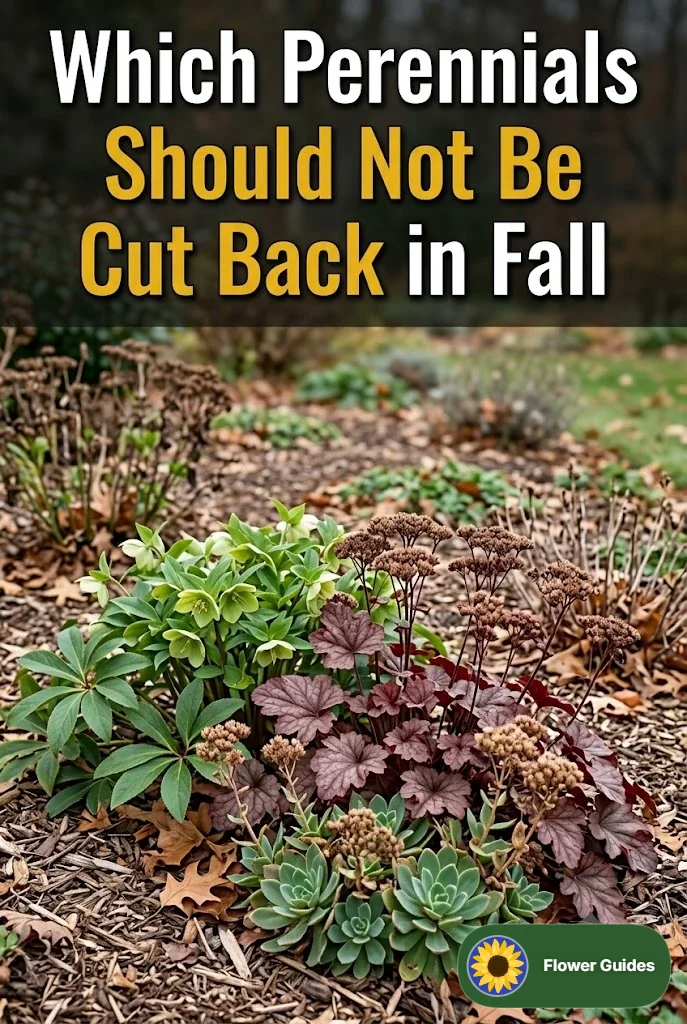
Which Perennials Should Not Be Cut Back in Fall
As the vibrant colors of fall begin to fade, many gardeners find themselves in a quandary: what to do with their perennials? While cutting back certain plants is a common practice, there are specific perennials that thrive when left untouched for the winter. Understanding which perennials to leave standing not only enhances your garden’s winter landscape but also promotes healthier growth come spring. Let’s dive into the world of perennials that should remain uncut during the fall season.
Understanding Perennial Care in Fall
Fall is a critical time for perennials. As days shorten and temperatures drop, plants begin preparing for dormancy. Some perennials benefit from being cut back to encourage new growth, while others rely on their remaining foliage for protection against harsh winter conditions. Knowing which plants to leave can lead to a more resilient and beautiful garden.
Why Some Perennials Should Not Be Cut Back
- Protection: Foliage can shield the roots from freezing temperatures.
- Wildlife Habitat: Standing plants provide shelter and food for birds and beneficial insects.
- Visual Interest: Many perennials offer unique textures and colors that enhance winter landscapes.
Perennials That Should Not Be Cut Back in Fall
Here are some popular perennials that thrive when left intact through the winter months:
1. Ornamental Grasses
Ornamental grasses, such as Miscanthus and Pennisetum, should not be cut back in the fall. Their tall, feathery fronds provide winter interest and structure. Additionally, leaving them standing can help catch snow, which acts as insulation for the roots below.
2. Echinacea (Coneflower)
Echinacea is not only a beautiful addition to your garden but also a favorite of birds. The seed heads provide food through the winter months, making it beneficial to leave them uncut. Plus, the spent blooms add texture to your winter landscape.
3. Sedum (Stonecrop)
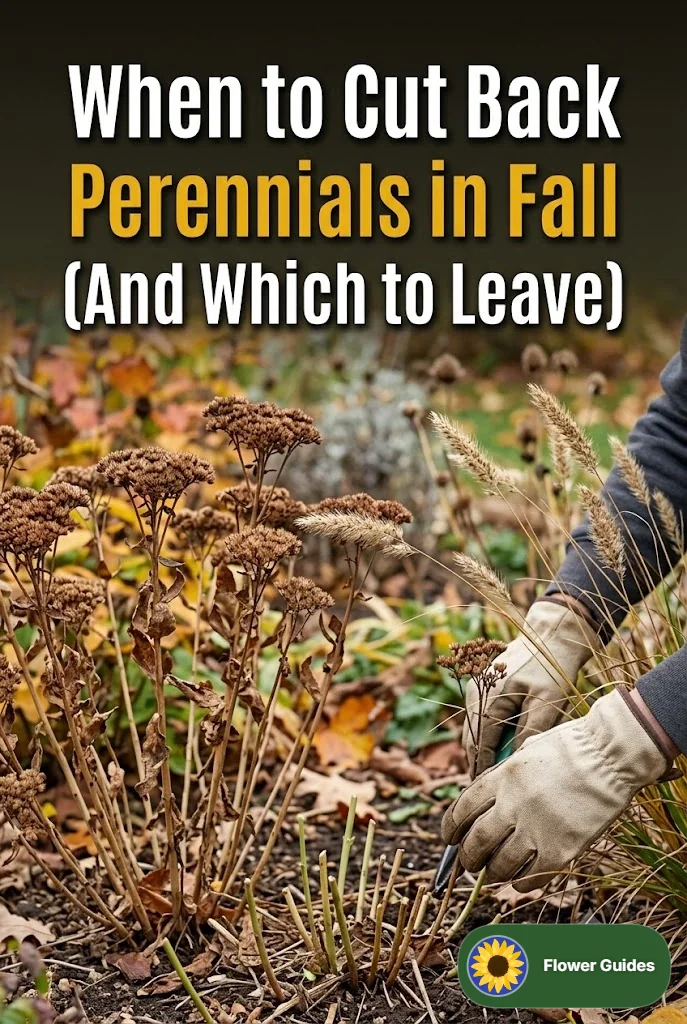
Many gardeners choose to leave sedum intact during winter for both aesthetic and practical reasons. The fleshy leaves can hold snow, which offers insulation, and the dried flower heads attract pollinators and birds, ensuring your garden remains lively even in the cold.
4. Aster
Late-blooming asters can provide color into the fall, but their seed heads also serve as a food source for birds during the winter. Leaving them uncut helps sustain wildlife and adds charm to your winter garden.
5. Black-eyed Susan (Rudbeckia)
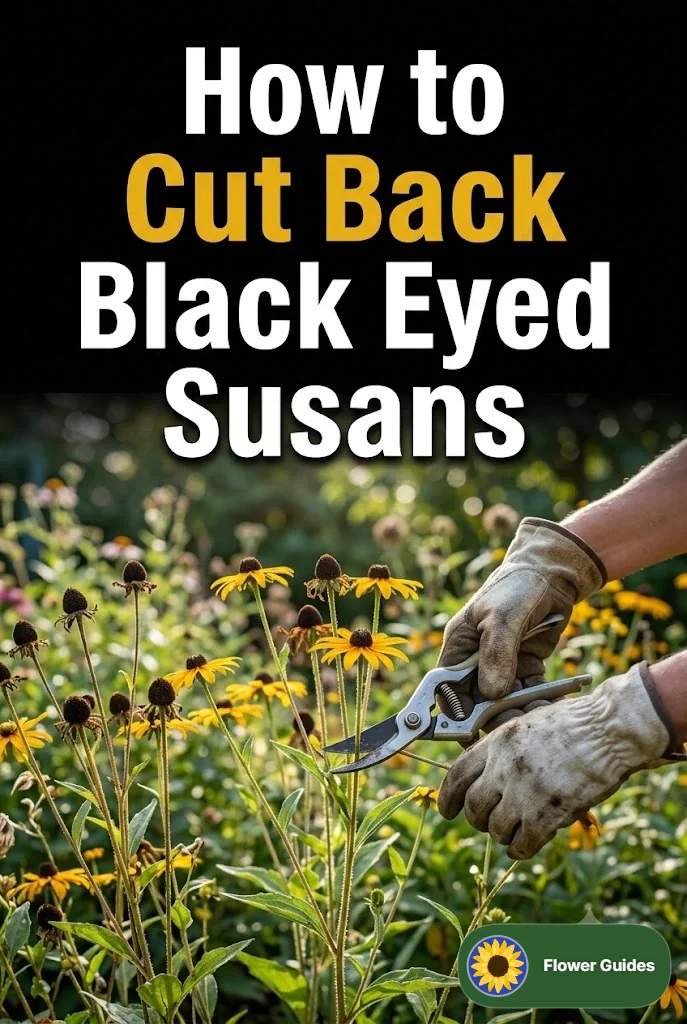
Similar to Echinacea, the seed heads of black-eyed Susans can provide sustenance for birds throughout the winter. Their sturdy stems also add structure to the garden, creating visual interest against the winter backdrop.
6. Peonies
Although peonies may seem like a prime candidate for cutting back, it is advisable to leave their stems until spring. The remaining foliage can help keep the roots insulated and protected from extreme cold, promoting healthy growth in the next season.
Step-by-Step Guide: Caring for Perennials in Fall
To ensure your perennials thrive during the winter, follow these simple steps:
- Assess Your Garden: Identify which perennials are best left standing.
- Remove Dead Foliage: Clear out any dead or diseased plant material around your perennials to prevent pests and diseases.
- Mulch: Apply a layer of mulch around the base of your perennials for added insulation.
- Water: Ensure your plants are well-watered before the ground freezes to help them withstand winter conditions.
Pinterest-Style Ideas for Winter Interest
Creating a visually appealing winter garden can be achieved with a few simple ideas. Here are some suggestions to inspire you:
- Layered Textures: Combine grasses, dried flowers, and evergreen plants to create depth.
- Bird Feeders: Install feeders near your perennials to attract winter wildlife, enhancing the beauty of your garden.
- Garden Sculptures: Incorporate sculptures or decorative stakes that stand out against winter’s backdrop.
- Winter Containers: Use pots filled with evergreens, berries, and dried arrangements to add color and interest.
Expert Tips for Winterizing Your Perennials
To ensure your perennials not only survive but thrive, consider these expert tips:
- Know Your Zone: Understand your hardiness zone to choose perennials best suited for your climate.
- Grouping: Plant perennials with similar needs together for easier maintenance.
- Regular Checks: Monitor your garden throughout the winter for signs of frost heave or damage.
Common Questions About Perennial Care
1. Should I cut back all perennials in the fall?
No, not all perennials benefit from being cut back. Some should be left intact to protect their roots and provide wildlife habitat.
2. What happens if I cut back perennials too early?
Cutting back too early can expose roots to harsh winter conditions, potentially damaging or killing the plant.
3. How can I tell which perennials to cut back?
Research specific plants or consult gardening guides to determine the best practices for each perennial in your garden.
4. Can I mulch over perennials that should not be cut back?
Yes, applying mulch can help insulate the roots of perennials that are left standing during winter.
5. What if I accidentally cut back a perennial that shouldn’t have been?
While it may impact the plant’s growth, most perennials will bounce back. Provide extra care in the following season to help them recover.
Conclusion
Understanding which perennials to leave standing through the winter can transform your garden into a vibrant, dynamic space even in the cold months. By protecting these plants, you’re not only ensuring their survival but also creating a sanctuary for wildlife and a visually appealing winter landscape. Embrace the beauty of your garden year-round and enjoy the rewards of thoughtful perennial care.