Why Are My Perennials Not Coming Back This Spring?
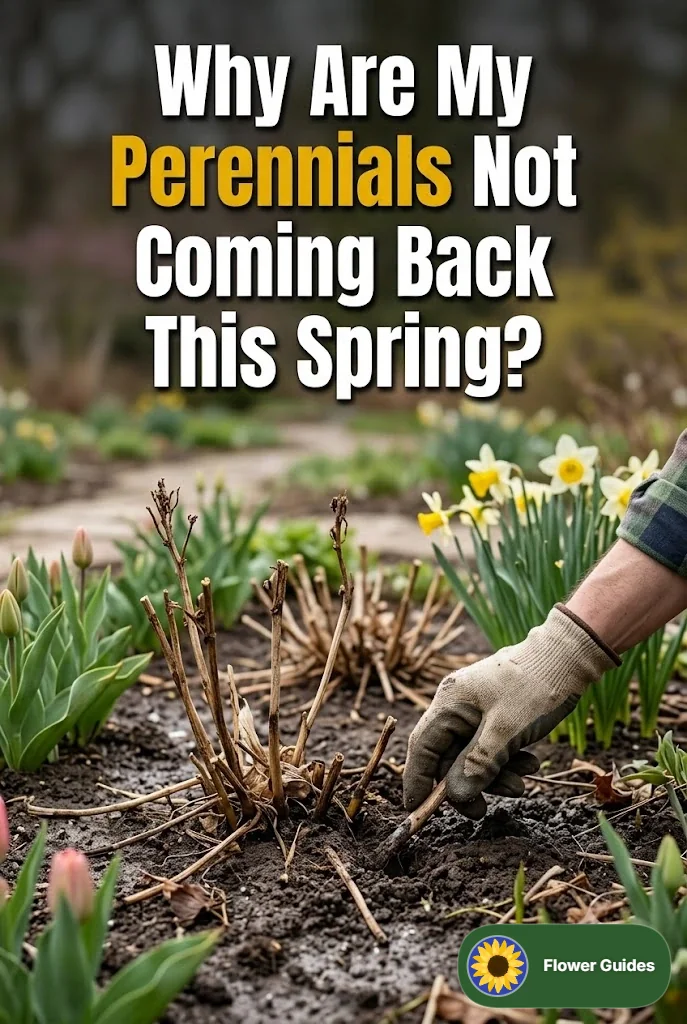
As the chill of winter melts away and the promise of spring emerges, many gardeners eagerly await the return of their beloved perennials. However, it’s disheartening when those vibrant blooms fail to reappear. Understanding why your perennials might not be coming back can save you time, effort, and heartache. Let’s delve into the common culprits and solutions to ensure your garden flourishes year after year.
Quick Answer
If your perennials are not coming back this spring, it could be due to several reasons including harsh winter conditions, improper planting, disease, or nutrient deficiencies. Assessing these factors can help you determine the best course of action for your garden.
Understanding Perennial Behavior
Perennials are plants that return year after year, but they have their quirks. Knowing how they behave in different seasons is key. Some perennials may go dormant in winter, while others might need specific conditions to thrive in spring.
Winter Dormancy
Many perennials naturally die back in the winter, and this dormancy can last until spring. It’s crucial to know which perennials you have and their growth patterns. For instance, some may take longer to emerge, especially in cooler climates.
Common Reasons for Non-Return
- Harsh Winter Conditions: Extreme cold, frost, and heavy snowfall can damage or kill perennials, especially if they are not adequately mulched or protected.
- Improper Planting: If perennials were planted too deep or too shallow, their roots may struggle to establish, affecting their return. Additionally, poor soil drainage can lead to root rot.
- Disease and Pests: Fungal infections, viruses, and insect infestations can weaken plants over time, making them less likely to survive winter.
- Nutrient Deficiencies: A lack of essential nutrients, especially nitrogen, phosphorus, and potassium, can hinder growth and blooming.
- Overcrowding: When perennials are planted too close together, they compete for resources, which can stunt their growth and flowering potential.
Assessing Your Perennials
Before you can address the issue, it’s important to examine your perennials closely. Here are steps to assess their condition:
- Inspect for Growth: Check if there are any signs of life, such as new shoots or leaves. Some perennials may take longer to emerge.
- Check the Roots: Gently dig around the base of the plant to assess root health. Healthy roots should be firm and white, while rotten roots may be brown and mushy.
- Look for Signs of Disease: Examine leaves and stems for discoloration, wilting, or unusual spots that may indicate disease or pest issues.
Solutions and Remedies
Once you’ve identified the potential issues with your perennials, it’s time to take action. Here are some effective solutions:
Improve Winter Protection
- Mulching: Apply a layer of mulch around the base of perennials to insulate the roots and retain moisture.
- Planting Position: Ensure plants are in suitable locations, ideally with some wind protection and adequate sunlight.
Proper Planting Techniques
- Correct Depth: When planting, ensure that the crown of the perennial is at soil level. This supports healthy growth.
- Soil Quality: Invest in quality soil amendments to enhance drainage and nutrient levels before planting.
Addressing Health Issues
- Pest Management: Use organic pesticides or insecticidal soap to tackle infestations while promoting beneficial insects.
- Disease Control: Remove infected plant parts and use fungicides if necessary, ensuring to follow label instructions.
Nutrient Enrichment
- Fertilization: Apply a balanced fertilizer in early spring, focusing on those with slow-release properties for prolonged effect.
- Soil Testing: Conduct a soil test to understand nutrient levels and amend accordingly.
Expert Tips for a Thriving Perennial Garden
Here are some insider tips to keep your perennials coming back strong every year:
- Choose Hardy Varieties: Select perennials that are well-suited to your climate zone to minimize stress during harsh weather.
- Plan for Diversity: Incorporate a mix of perennials with different bloom times to ensure continuous color and interest in your garden.
- Regular Maintenance: Implement a routine of deadheading, weeding, and dividing perennials every few years to encourage healthier growth.
Common Questions
1. How long should I wait to see if my perennials are coming back?
Typically, you should wait until late spring, as some perennials emerge later than others. Patience is key!
2. Can I replant perennials that don’t come back?
Yes, if a perennial is not showing signs of life by late spring, it may be time to replace it with a new plant.
3. What should I do if my perennial is showing signs of disease?
Isolate the affected plant, remove damaged parts, and treat with an appropriate fungicide or pesticide.
4. Are there perennials that are more resilient to harsh winters?
Absolutely! Look for varieties like daylilies, hostas, and sedums that are known for their hardiness.
Conclusion
Understanding why your perennials might not return can be a game changer for your gardening journey. By assessing the conditions, taking proactive measures, and employing expert tips, you can foster a thriving perennial garden. Remember, gardening is a learning experience; each season offers new insights. Embrace the beauty of spring and nurture your garden with care!